



Published on : 09/02/2026
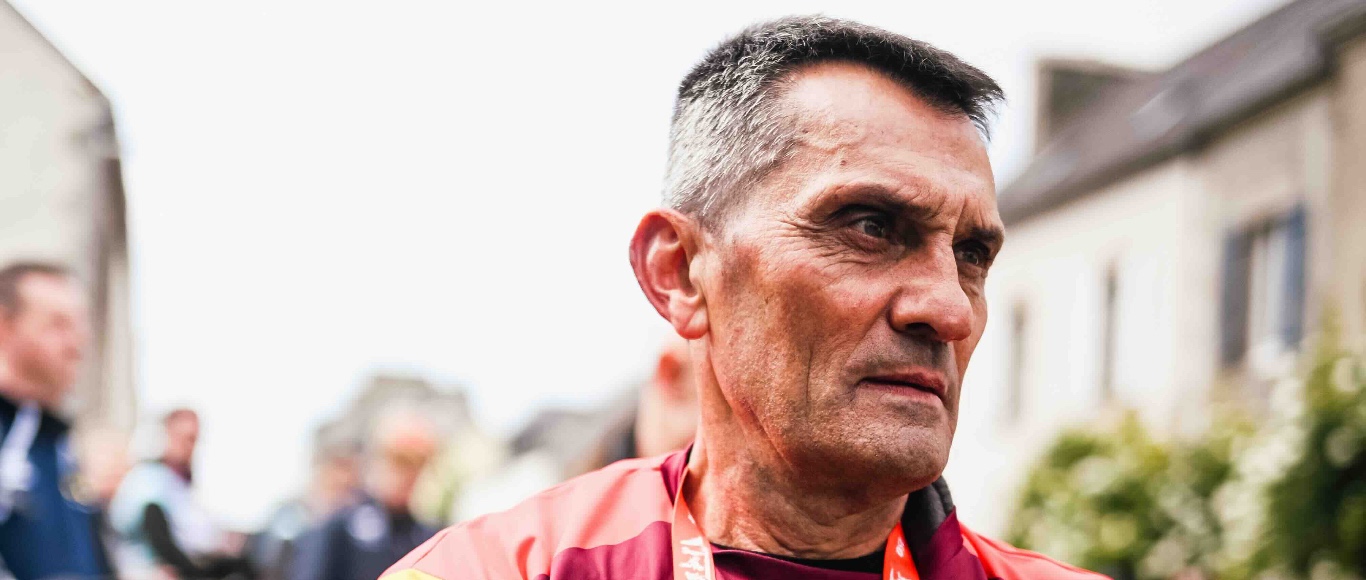
During the lunch break, the Cofidis team takes a moment to connect with the people who make the team what it is. With "A l'abri du vent" (Sheltered from the Wind), we put racing aside for a few minutes to listen and take our time. Today, let’s meet Raul Matias.
How did it all begin?
I first tried soccer and track and field... but very quickly, it was cycling that really appealed to me. I started taking it seriously during my teenage years, around the age of 14. Education was important in my family; my brother and sister both went to university. When the time came for me to go, however, I made a different choice. I told my father I wanted to dedicate myself to cycling. That was when I started competing, driven by the desire to see how far I could go.
When did cycling become a professional career?
I turned professional and had a career spanning about fifteen years. I won around twenty races and, most notably, became the Portuguese professional champion. Although I didn’t have a high-profile international career, certain experiences left a lasting impression on me particularly in Spain, where I was able to compete against top-tier riders who raced in the Grand Tours. At that time, the Portuguese cycling scene was quite insular, making it harder to break into major foreign teams. Today, there are far more opportunities.
What moments have defined your sports career?
Winning the Portuguese championship title remains a highlight. But beyond the results, certain racing memories have stayed with me: reaching the summits of major climbs alongside some of the world’s best riders made me realize my own level and what I might have achieved had I had more opportunities. It also taught me something important: in elite sport, you have to know how to seize opportunities when they arise.
How did the transition go after your career?
After my racing career, I went back to school at the age of 37. I had always been drawn to the role of a soigneur—and to the importance of that role in the riders' performance and well-being. I started out working for a Portuguese team, then joined international outfits including a South African team before eventually joining a major team like Tinkoff. At one point, I felt a sense of burnout regarding competition itself, though not the cycling world. So, I continued in the role of soigneur, but with a different approach.
How did you end up on a big team?
I had an initial opportunity to join Cofidis, which I turned down at the time because I didn’t want to leave Portugal a decision I still regret today. A few years later, a second opportunity arose. This time, I didn’t hesitate. I joined the team in 2020 under the unique circumstances of the Covid pandemic but I quickly found my place. Since then, I’ve felt right at home in the team, in an environment I know and appreciate.
What motivates you in your job today?
Above all, I am passionate about cycling and the people who take part in the sport. I have grown tremendously in my profession through experience. At first, I doubted my abilities especially when working with top riders but hard work has given me confidence. Today, I consider myself an experienced soigneur capable of making a real difference for the riders. What drives me is always giving my best. I never watch the clock while I work; the rider’s recovery is what matters most.
What kind of relationship do you have with the runners?
The relationship with the runners is essential. With some, a genuine bond of trust develops over time. Working regularly with the same runners makes it possible to get to know them better and to understand their needs and their level of fatigue sometimes without them even needing to speak. It is a profession based on intuition, listening, and experience.
Your view of professionalism?
I place great importance on commitment. To me, a rider must give their all. I have immense respect for those who work hard and fight for the team, even when the going gets tough. They are the ones who deserve my full energy. Conversely, I find it a shame that some fail to make the most of the opportunities they have with top teams. Talent isn't enough; you need ambition and dedication.
How do you manage your work-life balance?
My routine is quite simple. During races, I am fully focused on my work. When I get home, I rest and take care of myself especially my hands, which are put under a lot of strain. I enjoy a quiet life: I cycle almost every day covering between 80 and 120 kilometers and then spend time at home tinkering or simply relaxing. It’s a balance that suits me well.
And what's next?
As long as I have the motivation, I’ll keep going.
The day it fades, I’ll know it’s time to move on to something else. But for now, the passion is still there, undiminished.